

By Cincade Drudge
Climate change is often discussed in terms of melting ice caps, rising sea levels, and extreme weather. But for many Americans, especially here in Indiana, one of the most immediate and tangible effects shows up in a much more familiar place: the grocery store. As global temperatures rise and weather patterns grow more unpredictable, the cost of producing food is increasing, and those costs are steadily being passed on to consumers.
At its core, climate change refers to long-term shifts in temperature and weather patterns, largely driven by human activities such as burning fossil fuels. While these shifts may seem gradual, their effects on agriculture are anything but subtle. Farming depends heavily on stable weather conditions, and even small disruptions in temperature or rainfall can significantly impact crop yields. As these disruptions become more frequent, the stability of the food supply is increasingly at risk.
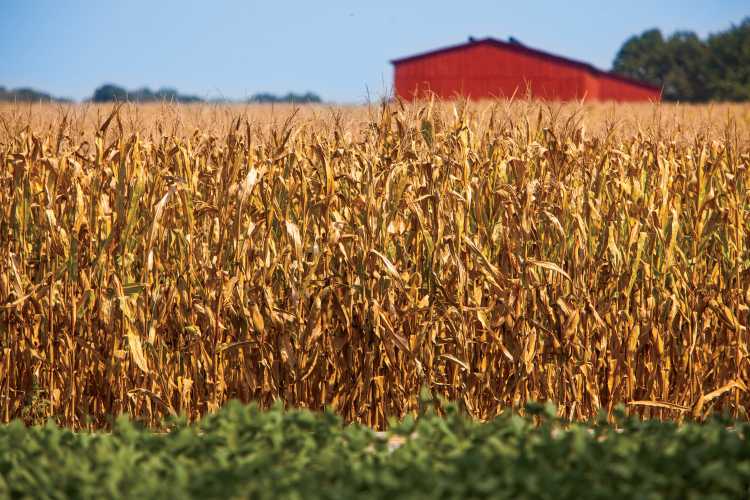
One of the clearest ways climate change affects food prices is through extreme weather. Droughts, floods, and heatwaves can damage crops or wipe out entire harvests. A drought, for example, can severely reduce corn production, while excessive rainfall can delay planting or flood fields before crops have a chance to grow. When supply drops but demand remains steady, prices rise. This basic economic principle is now playing out more frequently due to climate-related disruptions.
However, the issue extends beyond just crop loss. Farmers are also facing rising production costs as they attempt to adapt to changing conditions. More frequent droughts mean greater reliance on irrigation systems, while unpredictable weather increases the need for fertilizers, pest control, and crop insurance. Each of these adjustments adds to the overall cost of farming. These expenses do not stay on the farm; they move through the supply chain and ultimately show up in the prices consumers pay for food.
Transportation and distribution systems are also vulnerable. Flooded roads, damaged infrastructure, and disrupted supply chains can delay the movement of goods, increasing costs for producers and retailers alike. Because the modern food system is highly interconnected, disruptions in one region can ripple across the country. A drought in a major agricultural region, whether in the United States or abroad, can influence global prices, which in turn affect local grocery bills in Indiana.
In a state like Indiana, these challenges carry particular weight. Agriculture is a central part of the state’s economy, generating over $31 billion in annual sales. Crops such as corn and soybeans dominate production, but they are also especially sensitive to weather conditions. Warmer temperatures and shifting rainfall patterns have already made growing seasons less predictable. A hot, dry summer can significantly reduce yields, while excessive spring rain can delay planting and shorten the overall growing period.
Research suggests that these trends could worsen in the coming decades. Some studies indicate that corn yields could be cut in half under higher global temperature scenarios expected within this century. Even under more moderate warming levels, such as those targeted by international agreements, yields could still decline by nearly 20 percent. For Indiana farmers, this represents not just an environmental challenge, but an economic one with direct consequences for income stability and long-term planning.
Livestock producers are also feeling the effects. Higher temperatures place stress on animals, reducing productivity and increasing the need for cooling systems and additional feed. These changes drive up the cost of producing meat and dairy products, which again translates to higher prices for consumers.
While rising food prices affect everyone, they do not affect everyone equally. Low-income households are particularly vulnerable because they spend a larger share of their income on food. Even modest price increases can place significant strain on household budgets. Rural communities face a unique double impact, as many residents are both consumers and participants in the agricultural economy. Farmers themselves face increased financial risk, balancing the possibility of higher prices with the reality of more unpredictable and costly production conditions.
Despite these challenges, there are pathways forward. One important approach is the development of climate-resilient agriculture. This includes planting drought-resistant crops, improving soil health, and using more efficient irrigation systems. These strategies can help stabilize production even as environmental conditions change.
Strengthening local food systems is another potential solution. By relying more on locally produced food, communities can reduce their exposure to global supply chain disruptions. Policy also plays a crucial role. Government support for agricultural research, infrastructure improvements, and financial assistance for farmers adapting to climate change can help mitigate some of the economic pressures.
We, as consumers, too, have a role to play. Reducing food waste and supporting sustainable farming practices can contribute to a more resilient system. While individual actions alone will not solve the problem, they are part of a broader effort to create stability in the face of uncertainty.
Ultimately, however, the most effective way to address rising food prices linked to climate change is to confront climate change itself. Reducing greenhouse gas emissions and slowing the pace of global warming are essential to preventing further disruptions to the food system. Without broader action, the trends already being observed are likely to intensify.
For Hoosiers, climate change is no longer a distant or abstract issue. It is becoming an economic reality that affects everyday life. As grocery bills continue to rise, the connection between environmental change and personal cost is becoming harder to ignore. What was once seen primarily as an environmental concern is increasingly understood as a direct challenge to economic stability and food security, both in Indiana and beyond.